
 +91 9820101803
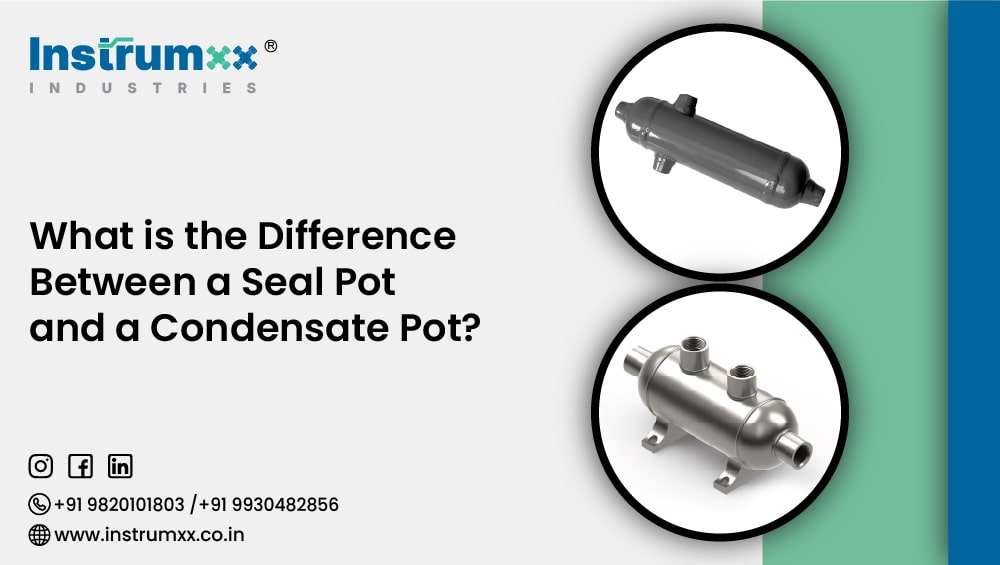
In various industrial mechanisms, especially those involving steam, gas, or new pressurized systems, evaluating authenticity and procedure integrity is influential. Two indispensable components used in such systems are seal pots and condensate pots. While these devices may appear similar and are often messy when used separately, they serve distinct purposes depending on the nature of the procedure and the fluid being used.
- Engineers
- Plant operators
- Maintenance personnel
- People who work with instrumentation systems.
Both are used to protect instruments like
- Pressure transmitters
- Gauges
- Differential pressure cells from direct exposure to high-temperature
- Get in touch with corrosive media
Though their functions, applications, and configurations vary, they are built on steps and barriers.
This article explains the working values, applications, and key differences between seal pots and condensate pots while specially highlighting the role of a reliable condensate pot manufacturer or condensate pot supplier in Mumbai in delivering high-quality, durable components for routine industries.
What is a Condensate Pot?
A condensate pot is a device installed in steam and vapour systems to gather and store condensate (liquid formed from the condensation of steam or gas). It acts as a restriction comparing the method fluid and the measuring instrument, preventing direct bonding comparing hot steam and sensitive instruments like pressure transmitters or gauges.
When steam flows through the impulse line, some of it condenses into liquid due to cooling. The condensate pot
- Collects this liquid
- Maintains a stable liquid column
- Helps confirm proper differential pressure calculation.
Without a condensate pot, fluctuations in condensate heights could cause
- Inaccurate readings
- Damage the instruments
- Cause sudden temperature variations.
Condensate pots are typically erected from
- Stainless steel
- Carbon steel
- Alloy steel
They withstand high temperatures and pressures. A reliable condensate pot supplier ensures that these components are tested for
- Leaks
- Hydrostatic properties
- Corrosion resistance before being deployed in industrial applications.
How Does a Condensate Pot Work?
The operation of a condensate pot is based on maintaining a continual condensate level in impulse lines that lead to dimension devices. When steam enters the impulse line, part of it condenses into water due to temperature loss. The pot stores this condensate and prevents further steam from entering the instrument.
The level of condensate in both impulse lines (high and low pressure) must be the same for the appropriate scale. This equalized column of liquid ensures that the differential pressure transmitter receives stable pressure input, thereby enhancing credibility and reducing instrument wear.
In steam service, condensate pots are often mounted horizontally, with links for venting and draining to remove air or extra water.
Applications of Condensate Pots
Condensate pots are used wherever steam or vapour systems require pressure or flow scale, including:
- Steam potential plants
- Progressing and the petrochemical industries' vapour
- Fertilizer and chemical plants
- Sugar and paper industries
- Oil & gas processing systems
They are critical in ensuring that instrumentation systems are protected from direct exposure to
- High-temperature steam
- Pressure fluctuations.
Choosing an empowered condensate pot manufacturer ensures that the pots are
- Formed according to ASME or ASTM standards
- Suited for precise temperature
- Works well in extreme pressure ratings.
What is a seal pot?
A Seal Pot on top of that known as a seal chamber or seal bottle is used primarily in differential pressure evaluation systems involving liquids, intentionally corrosive or viscous fluids. The necessary determination of a Seal Pot is to maintain a liquid seal among the workflow fluid and the impulse line, thereby preventing the ps fluid from directly entering the instrument.
Unlike condensate pots—which manage compact steam—seal pots hold a liquid that forms a block, not in favour of approaching gases or vapours. The liquid in the pot acts as
- A sealant,
- Prevents contamination
- Avoids corrosion
- Protects from damage to the measuring device.
Seal pots are often used with corrosive, toxic, or dirty fluids such as acids, slurries, or viscous resources, ensuring that only the sealing liquid comes into contact with the impulse line and instrument.
How Does a Seal Pot Work?
A seal pot works by maintaining a liquid seal between the steps and the measuring instrument. The pot is filled with a sealing fluid—typically water, glycerin, or another worthy liquid—depending on the procedure medium.
When the procedure pressure is implemented, the liquid seal prevents gases or vapours from entering the impulse line. This not only protects the instrument from harmful procedure fluids but also further helps maintain calculation stability in varying temperature or pressure conditions.
Seal pots are usually installed vertically in the impulse line and connected at the same level to ensure that both sides of a differential pressure transmitter are fixed.
Applications of Seal Pots
Seal pots are used in routine industries where the considered fluids are corrosive, viscous, or prone to solidification. Normal applications incorporate:
- Chemical and petrochemical processing
- Fertilizer and acid manufacturing
- Oil bettering
- Wastewater treatment plants
- Pulp and paper industries
These systems require seal pots that are:
- Robust
- Corrosion-resistant
- Can deal with harsh fluids
- Maintain reliable operation.
While both components serve protective functions in instrumentation systems, the vital difference lies in the type of medium they handle. Seal Pots are used for liquid-established systems to isolate corrosive or dirty fluids, while Condensate Pots are for vapour-grounded systems to secure and manage condensate.
Choosing the Faultless Condensate Pot Manufacturer or Supplier in Mumbai
When selecting a condensate pot supplier in Mumbai, it’s necessary to confirm that the supplier meets industrial standards and provides reliable products. Look for a supplier who:
- Manufacturers fabricate condensate pots using high-quality tools such as stainless steel, carbon steel, or alloy steel.
- Offers various sizes and connection types (socket weld, threaded, or flanged).
- Conducts hydrostatic testing for leak-proof reassurance.
- Provides certification (MTC, PMI, and NDT) as per international standards like ASME, ASTM, or DIN.
- Offers custom fabrication services for special pressure, temperature, and installation conditions.
A trusted condensate pot manufacturer not only provides reliability-designed components but also ensures longevity, safety, and dependable performance in demanding environments.
Final outcome
Seal s and condensate pots are both major components in procedure instrumentation, ensuring that calculation systems remain accurate and protected from harsh routine controls. While seal pots maintain a sealing hurdle in liquid systems, condensate pots get and manage condensate in steam or vapour systems.
Grasping these changes helps engineers and operators pick the faultless equipment for their applications, thereby increasing calculation validity and procedure safety. When sourced from a reputable condensate pot supplier in Mumbai, these devices offer
- High durability
- Low maintenance
- Optimal security for sensitive instruments.
Instrumxx Industries



Reach us
Products
Support
| +91 9820101803 | |
| +91 9930482856 |
| info@instrumxx.co.in sales@instrumxx.co.in |